

Casino loyalty programs have long been a key part of player engagement strategies. Traditionally, they focused on offering points, cashback, and basic tier-based rewards. Players earned benefits based on how much they played, with little variation in how rewards were delivered. Modern loyalty systems now go far beyond simple point accumulation. They are becoming more personalized, interactive, and experience-driven. Understanding how casino loyalty programs are evolving beyond traditional reward systems helps explain the future of player engagement in the gaming industry.
Shifting From Points-Based Rewards
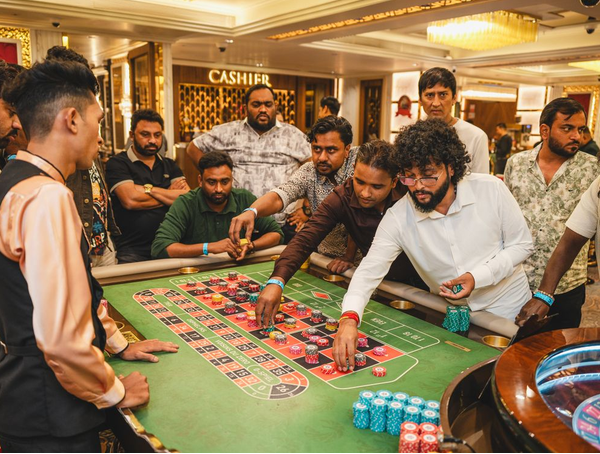
Loyalty programs are mostly built around points, and the link free kredit slot is one example. Players would accumulate points for every wager and later exchange them for rewards. This system was simple and easy to understand. However, it lacked flexibility and personalization. Modern programs are moving away from this rigid structure. Rewards are now often based on behavior patterns, not just the volume of play. This allows casinos to offer more relevant incentives. Players may receive tailored bonuses based on their preferences. This shift creates a more dynamic and engaging experience.
Introducing Personalized Reward Experiences
Personalization has become a major focus in modern loyalty systems. Instead of offering the same rewards to all players, casinos now analyze user behavior. Game preferences, playing frequency, and betting style are considered. Rewards are then customized based on this data. Some players may receive free spins on their favorite games. Others may get cashback on specific betting categories. This targeted approach makes rewards feel more meaningful. It also increases player satisfaction and engagement over time. Personalization helps casinos build stronger relationships with users.
Expanding Beyond Monetary Incentives
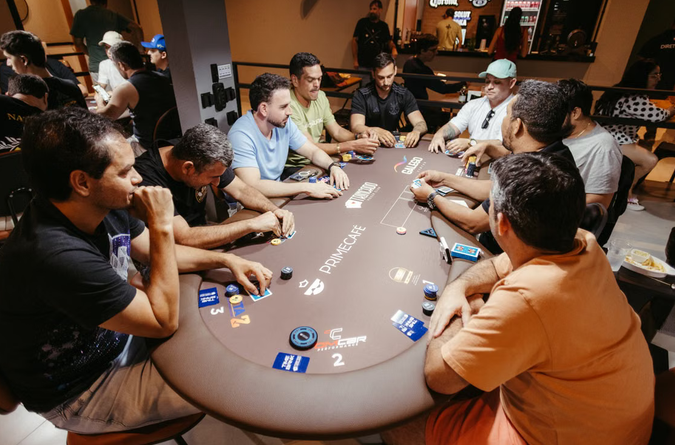
Loyalty programs are no longer limited to financial rewards. Many casinos now offer non-monetary benefits to enhance the player experience. These may include exclusive event invitations or early game access. Some platforms offer VIP support services for loyal members. Others provide personalized game recommendations. Access to special tournaments is also becoming common. These experiences add value beyond direct financial gain. Players feel more connected to the platform. This approach strengthens long-term loyalty in a competitive market.
Integrating Gamification Elements
Gamification has become a powerful tool in modern loyalty systems. Instead of simple point collection, players now engage with interactive reward structures. Progress bars, missions, and challenges are commonly used. Players may complete tasks to unlock bonuses. Achievements and badges add a sense of progression. This makes loyalty programs feel more like games themselves. Engagement increases as players aim to complete objectives. Gamification encourages consistent participation. It transforms passive reward systems into active experiences.
Enhancing Tier-Based Systems With Flexibility
T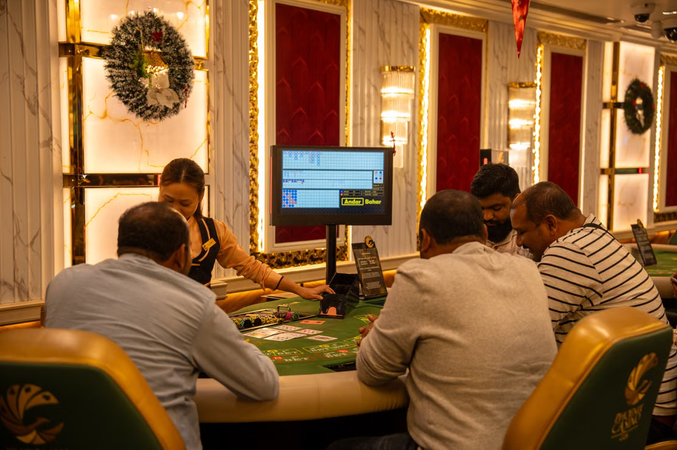
ier systems are still widely used, but they have evolved significantly. Traditional models often had fixed levels with predictable benefits. Modern systems are more flexible and adaptive. Players may move between tiers based on multiple factors. These can include activity type, engagement frequency, and loyalty duration. Benefits may also change dynamically over time. Higher tiers now offer more personalized perks rather than standard rewards. This flexibility makes progression more engaging. It also encourages long-term participation in loyalty programs.
Using Technology for Smarter Engagement
Technology plays a major role in transforming loyalty programs. Advanced data analytics and AI are now widely used. These tools help casinos understand player behavior more deeply. Real-time tracking allows for instant reward adjustments. AI systems can predict player preferences and suggest incentives. Automation improves the speed and accuracy of reward distribution. This creates a smoother and more responsive experience. Technology also helps reduce irrelevant or outdated rewards. As a result, loyalty systems become more efficient and effective.
Casino loyalty programs have evolved far beyond simple point-based systems. They now focus on personalization, gamification, and technology-driven engagement. Players receive more tailored rewards, unique experiences, and flexible tier progression systems. This evolution reflects a broader shift in the casino industry toward user-centered design and long-term engagement strategies. As technology continues to advance, loyalty programs will likely become even more interactive and personalized, reshaping how players connect with gaming platforms.